




Anjali
How Heat Accelerates Corrosion and Impacts Metal Life
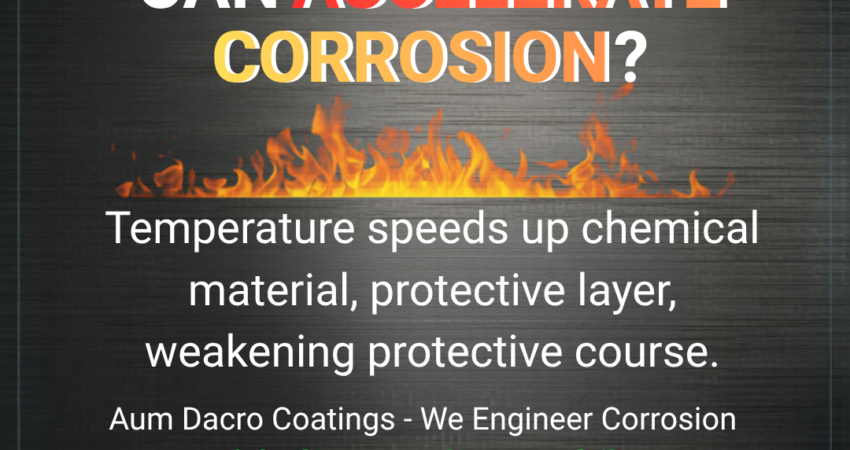
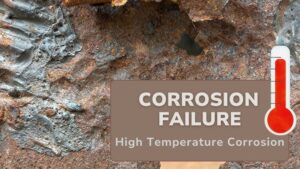
Heat accelerates corrosion by increasing chemical reaction rates, weakening protective oxide layers, and allowing rust, oxidation, and metal degradation to develop faster. In many industrial applications, corrosion rates can increase significantly as temperature rises, reducing component life, increasing maintenance costs, and impacting equipment reliability. Understanding the relationship between temperature and corrosion helps engineers select suitable materials, coatings, and protection systems for long-term performance.
How Does Heat Accelerate Corrosion?
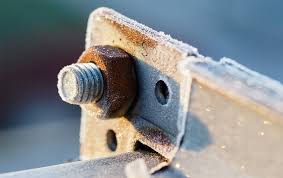
Corrosion is fundamentally a chemical or electrochemical reaction between a metal and its surrounding environment. As temperature increases, these reactions generally occur at a faster rate.
Higher temperatures can:
- Increase the speed of chemical reactions
- Accelerate oxidation of metal surfaces
- Weaken naturally formed protective oxide layers
- Increase the movement of corrosive ions and contaminants
- Promote moisture evaporation and condensation cycles
- Create thermal stresses that damage protective coatings
As a result, metal surfaces become more vulnerable to rust, oxidation, pitting, and other forms of corrosion.
Where Is Heat-Accelerated Corrosion Commonly Seen?
Hot Water Systems
Water heaters, boilers, storage tanks, and hot water pipelines often operate under elevated temperatures. Heat can accelerate internal corrosion, particularly when dissolved oxygen, minerals, or contaminants are present in the water.
Without proper protection, corrosion can lead to leaks, reduced efficiency, and premature equipment failure.
Automotive Cooling Systems
Modern vehicles operate under demanding thermal conditions. Engine compartments regularly experience high temperatures, and cooling systems are exposed to continuous thermal cycling.
If components are not adequately protected, heat can contribute to thermal corrosion, material degradation, and reduced component life.
Industrial Processing Plants
Manufacturing facilities frequently expose metal equipment to a combination of heat, chemicals, moisture, and mechanical stress.
These aggressive operating conditions can significantly increase corrosion rates in:
- Process equipment
- Storage vessels
- Piping systems
- Structural supports
- Fasteners and assemblies
Industries such as chemical processing, power generation, oil and gas, and metal finishing often face these challenges.
Outdoor Infrastructure
Temperature fluctuations combined with humidity create ideal conditions for corrosion.
Metal structures exposed to sunlight during the day and cooling temperatures at night experience repeated expansion and contraction cycles. This can damage protective layers and accelerate rust formation over time.
Common examples include:
- Roofing systems
- Utility structures
- Highway infrastructure
- Solar mounting systems
- Construction hardware
Marine Environments
Marine applications present unique corrosion challenges. Saltwater contains high concentrations of chloride ions, while oxygen-rich environments further promote corrosion reactions.
Even in cooler water conditions, the combination of oxygen, moisture, and salt can accelerate metal deterioration if proper corrosion protection is not in place.
Real-World Examples Commonly Seen in India
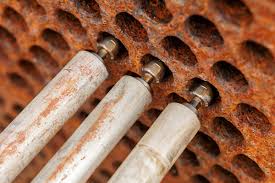
Heat-related corrosion is frequently observed across everyday and industrial applications throughout India.
Brass and Copper Utensils
Repeated heating cycles can lead to surface discoloration, oxidation, and gradual degradation of metal surfaces over time.
Galvanized Roofing Sheets
In coastal and high-temperature regions, roofing sheets face constant exposure to sunlight, humidity, and environmental contaminants, increasing corrosion risks.
Aluminum Cookware
Acidic food contents combined with repeated heating can contribute to surface degradation and material wear.
Hot Water Pipelines
Heat, moisture, and fluctuating operating conditions can accelerate corrosion within plumbing systems and industrial water networks.
Vehicle Bodies and Components
Indian summers, combined with monsoon humidity, create challenging conditions for automotive components, fasteners, and structural assemblies, increasing the likelihood of corrosion if adequate protection systems are not applied.
What Factors Affect Corrosion at High Temperatures?
The effect of heat on corrosion is not the same for every application. Several factors determine how quickly corrosion develops, including:
- Type of metal or alloy
- Operating temperature
- Humidity levels
- Exposure to chemicals
- Presence of oxygen
- Salt concentration
- Surface condition
- Coating performance
- Maintenance practices
Understanding these variables is critical when selecting corrosion protection strategies for long-term asset reliability.
How Can Coatings Protect Metals From Heat-Induced Corrosion?
As operating temperatures rise, selecting the right corrosion protection system becomes increasingly important.
Advanced coating technologies help create a protective barrier between the metal surface and the surrounding environment, reducing the impact of moisture, chemicals, and temperature-driven degradation.
For critical components used in automotive, industrial, infrastructure, renewable energy, and engineering applications, high-performance coating systems can significantly extend service life and reduce maintenance requirements.
Temperature vs Corrosion Rate Comparison
| Temperature Range | Corrosion Behavior | Typical Impact |
|---|---|---|
| Below 25°C | Slower reaction rates | Lower corrosion risk |
| 25°C–50°C | Moderate increase in oxidation | Faster surface degradation |
| 50°C–100°C | Significant acceleration of corrosion reactions | Increased maintenance requirements |
| Above 100°C | Rapid oxidation and coating stress | Reduced component life and higher failure risk |
Heat vs Other Corrosion Factors
| Factor | Effect on Corrosion | Severity |
|---|---|---|
| Heat | Speeds up chemical reactions | High |
| Moisture | Enables electrochemical activity | High |
| Salt | Increases conductivity | Very High |
| Chemicals | Attack metal surfaces | High |
| Oxygen | Supports oxidation | Moderate to High |
Key Corrosion Facts Engineers Should Know
- A temperature increase of 10°C can approximately double the rate of many chemical reactions.
- Corrosion reactions generally become more aggressive as temperature rises.
- Thermal expansion and contraction can create micro-cracks in coatings.
- Elevated temperatures increase oxygen diffusion and ion mobility.
- High-temperature environments often require specialized coating systems.
Protecting Metal Components for Long-Term Performance
Corrosion is rarely caused by a single factor. Heat, humidity, chemicals, oxygen, and environmental exposure often work together to accelerate metal degradation.
By understanding how temperature affects corrosion and implementing appropriate protection measures, manufacturers and asset owners can improve reliability, reduce downtime, and maximize the lifespan of critical components.
At Aum Dacro Coatings, we specialize in advanced corrosion protection solutions designed to support durability and performance across demanding operating environments, including high-temperature applications.
Whether you are looking to protect automotive fasteners, industrial components, infrastructure hardware, or engineered assemblies, choosing the right coating system is a critical step toward long-term reliability and corrosion resistance.
To learn more about corrosion protection and zinc flake coating solutions, connect with the Aum Dacro Coatings team today.
Industry Standards Related to Corrosion Protection
Engineers often evaluate corrosion performance using globally recognized standards such as:
- ASTM International
- ISO
- SAE International
- NACE International
These standards help assess coating durability, corrosion resistance, salt spray performance, and environmental exposure requirements.
Frequently Asked Questions About Heat and Corrosion
Does heat always increase corrosion?
In most cases, yes. Higher temperatures accelerate chemical and electrochemical reactions that contribute to corrosion.
Which metals are most affected by heat-related corrosion?
Carbon steel, galvanized steel, cast iron, and some aluminum alloys can experience accelerated degradation when exposed to heat and corrosive environments.
Can coatings reduce heat-induced corrosion?
Yes. Advanced coating systems create a protective barrier that limits contact between the metal surface and corrosive elements such as moisture, oxygen, and chemicals.
Why is corrosion worse in hot and humid climates?
Heat increases reaction rates while humidity supplies moisture, creating ideal conditions for corrosion to develop more rapidly.
What industries face the highest risk of temperature-driven corrosion?
Automotive, power generation, infrastructure, chemical processing, renewable energy, marine, and oil & gas industries commonly encounter heat-related corrosion challenges.
If you’re facing coating challenges or looking to improve quality and reliability —
connect with our team today.